Embroidery planning, machine selection, and production supportTalk with an application specialist
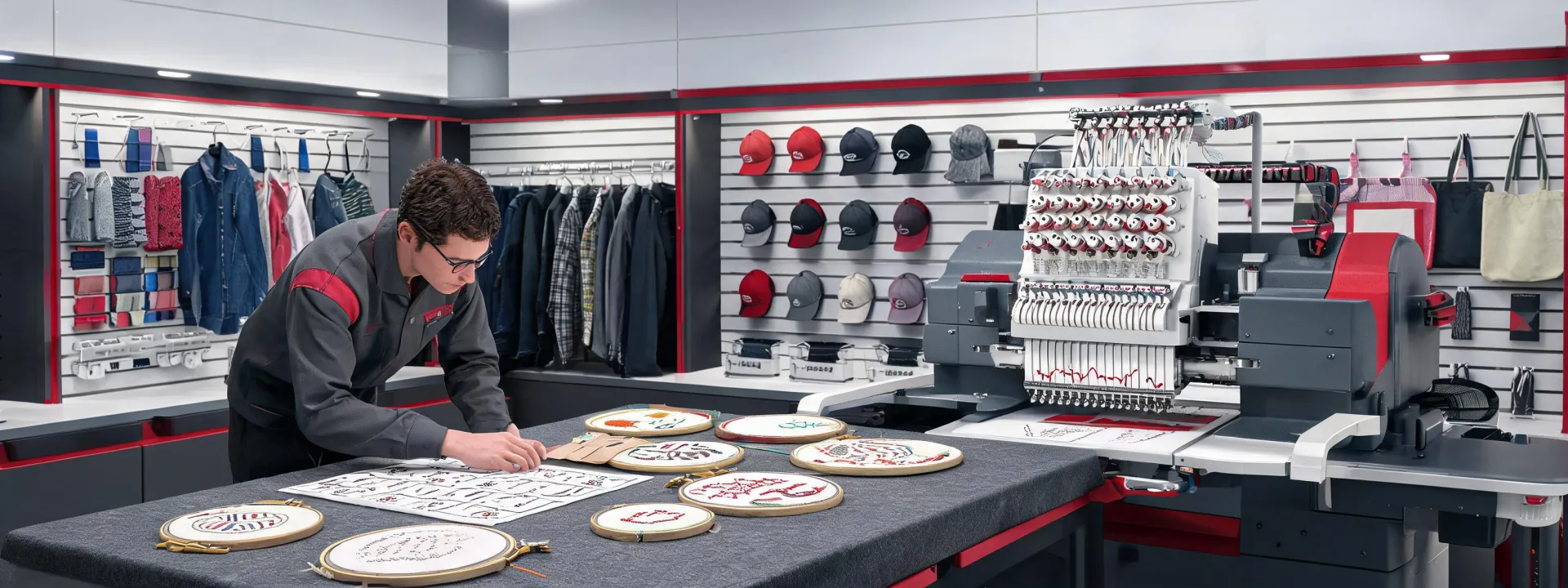
Embroidery application laboratory with garments, hoops, and sew-outs

Application planning center

Tajima Turns a Decoration Brief Into a Testable Workflow

Use this page to define the five inputs that determine a meaningful embroidery trial: product, artwork, material system, production pattern, and acceptance criteria.

Request an Application Trial

01

The Demonstration Must Reproduce Your Work, Not a Convenient Substitute

A simple logo on stable fabric can confirm that a machine stitches. It cannot answer whether a dense back design will register across a seam, whether a cap frame suits the crown profile, whether fine knit will pucker, or whether operators can change mixed orders within the available shift. Tajima application planning begins by naming those questions in measurable terms.

Three evidence packages

Bring Enough Context to Make the Sew-Out Useful

No external performance claims are needed. The trial can rely on your design, your material, documented settings, and observable inspection results.

P

Product & Placement

Identify the finished item, fabric construction, seams, lining, coatings, placement dimensions, access restrictions, and the visible tolerance expected by the buyer. Include both the easiest and most difficult variant.

  • Garment or component sample
  • Placement drawing or template
  • Hoop or frame constraints
D

Design & Materials

Provide the approved artwork or embroidery file, physical size, stitch count, color sequence, thread type, needle preference, backing or topping, and any special trim or finish requirement.

  • Revision-controlled design
  • Thread and stabilizer references
  • Known defect examples
O

Orders & Operations

Describe batch sizes, changeovers, target pieces per shift, staffing, floor space, utilities, maintenance windows, quality checks, and the consequence of stopping one or several heads.

  • Representative daily order mix
  • Operator skill and walking pattern
  • Service and parts expectations

Observable gates

Advance Only When the Evidence Is Recorded

The progress bars describe completion of the review sequence. They are not efficiency percentages or machine performance values.

Two recurring trade-offs

Head count versus flexibility: more heads can suit repeated work, while small personalized batches may spend more time in shared changeovers and line-wide stops.

Speed versus sew quality: a higher setting may shorten needle time but increase thread breaks, needle heat, registration movement, or finishing work on demanding materials. Use finished good output, not speed alone.

Application brief completeGate 1
Materials and design verifiedGate 2
Controlled sew-out observedGate 3
Inspection and limits documentedGate 4
Operator handoff preparedGate 5

Trial record

Five Documents That Make the Result Reviewable

01

Input Brief

Garment, design, order, and acceptance context.

02

Setup Sheet

Needle, thread, backing, frame, tension, and speed ceiling.

03

Time Log

Hooping, sewing, handling, stops, trims, and changes.

04

Inspection Note

Registration, puckering, breaks, damage, and reverse side.

05

Boundary List

Untested materials, options, environments, and service assumptions.

Machine specifications and local conformity documents must come from the responsible model documentation and supplier. This framework does not create a certification.

The next step

Schedule a Tajima Application Trial

Share the product, artwork, production target, and defect or constraint you need the trial to address. A specialist can then confirm what materials and records to prepare.